EU Faces Criticism Over Srebrenica Hypocrisy
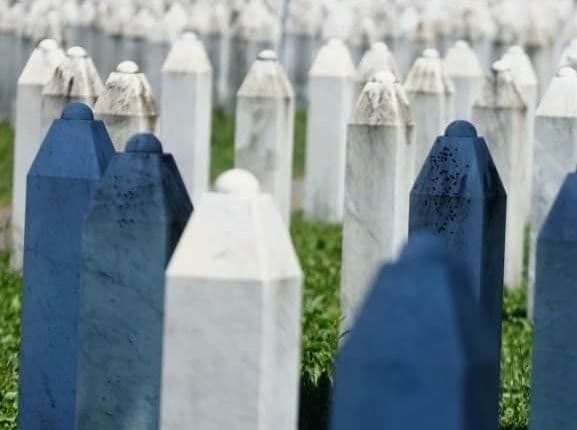
The European Union expresses yearly solidarity with victims of the Srebrenica genocide and their families. They call for all parties to accept the facts of this crime. EU officials often describe the Srebrenica genocide as one of the "darkest chapters in European collective consciousness." Yet, critics argue the EU's position appears hypocritical.
High-ranking EU officials reportedly work closely with politicians who openly deny the Srebrenica genocide. These politicians even threaten those in their countries who show willingness to acknowledge the facts. This cooperation happens despite the EU's consistent calls for truth and reconciliation.
EU spokespersons, including Anitta Hipper and Paula Pinho, along with High Representative Kaja Kallas and Commissioner Marta Kos, issued statements. They remembered the 8,300 Bosnian victims of the 1995 genocide. They emphasized the importance of historical truth and learning lessons from Srebrenica. The officials stated there is no place in Europe for genocide denial, historical revisionism, or glorifying convicted war criminals. They urged leaders in Bosnia and Herzegovina and the wider region to choose responsibility, dialogue, and reconciliation.
However, the EU has taken little action against those who deny the genocide. Reports show that in Serbia, genocide is denied at the highest levels of government. Convicted war criminals are glorified and given media platforms without any consequences from the EU. The EU even continues to push for Serbia's progress towards membership, despite these ongoing issues. This lack of action makes the EU's annual statements appear insincere.
People & Places